
Toxic relationship signs can often be subtle yet profound, creeping into our lives and affecting our emotional well-being. Understanding these signs is crucial for anyone who suspects they may be caught in a damaging dynamic. From emotional manipulation to self-doubt, recognizing the patterns early on can make all the difference in reclaiming one’s happiness.
By shining a light on the common indicators of toxicity, we can help individuals identify whether their relationships are healthy or detrimental. This exploration not only delves into the manifestations of emotional abuse but also encourages self-reflection and awareness, empowering individuals to seek healthier relationship dynamics.
Recognizing Toxic Relationship Signs
Toxic relationships can have a significant impact on a person’s emotional and mental well-being. Recognizing the signs is crucial for individuals to assess their situations and take necessary steps toward healthier interactions. Awareness is the first step in breaking free from damaging dynamics that can diminish self-esteem and overall happiness. Below are some common indicators that can help identify a toxic relationship.
Common Indicators of a Toxic Relationship
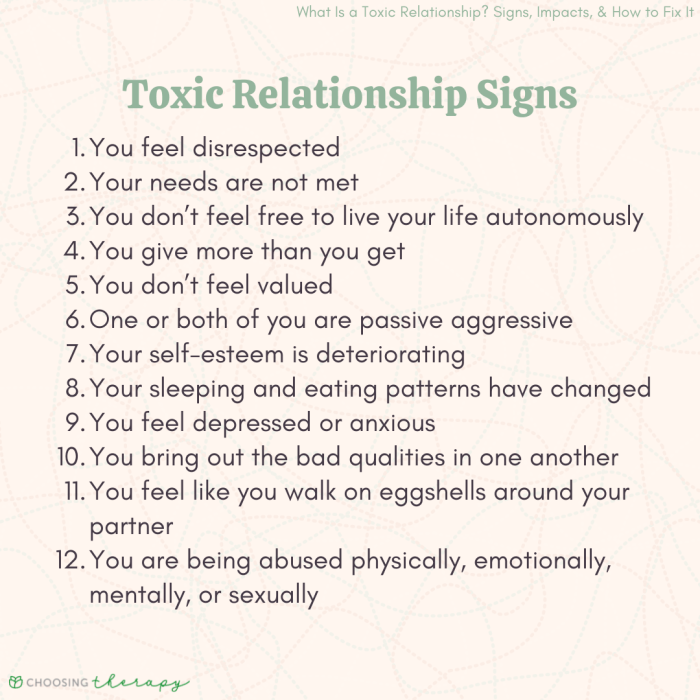
There are several signs that may indicate the presence of toxicity in a relationship. Understanding these indicators is essential for maintaining emotional health and fostering positive connections. Below are key signs to watch for:
- Constant Criticism: In a toxic relationship, one partner may frequently criticize the other, undermining their self-worth and confidence.
- Lack of Support: Toxic partners often fail to support each other’s goals, dreams, and ambitions, leading to feelings of isolation.
- Control Issues: One partner may exert control over aspects of the other’s life, such as friendships, finances, or personal choices, leading to a sense of powerlessness.
- Manipulation: Emotional manipulation can manifest through guilt-tripping, gaslighting, or emotional blackmail, making the victim question their reality and feelings.
- Disrespect: Disrespectful behavior, such as belittling comments or dismissive attitudes, creates a toxic atmosphere that can poison the relationship.
Emotional Manipulation in Relationships
Emotional manipulation is a pervasive tactic used by toxic partners to gain control and influence over their significant others. This behavior can be subtle and insidious, making it difficult for victims to recognize their predicament. Key forms of emotional manipulation include:
- Gaslighting: This occurs when one partner denies the other’s experiences or feelings, creating doubt about their perception of reality.
- Guilt-Tripping: Manipulative partners may exploit feelings of guilt to coerce their partner into compliance or submission.
- Withholding Affection: Emotional manipulators might withhold love or affection as a form of punishment, making their partner feel unworthy.
- Feigning Victimhood: By portraying themselves as the victim, manipulators can divert blame and shift focus away from their hurtful actions.
Methods for Self-Reflection to Determine Toxic Relationships
Self-reflection is a powerful tool for identifying whether one is in a toxic relationship. Engaging in honest introspection can facilitate awareness and clarity. Here are effective methods to consider:
- Journaling: Keep a daily journal that allows you to express your feelings and thoughts about your relationship. Look for recurring negative patterns or emotions.
- Seeking Feedback: Discuss your relationship with trusted friends or family members who can provide an outside perspective on your experiences.
- Setting Boundaries: Evaluate how your partner responds when you set boundaries. A healthy relationship respects individual limits, whereas a toxic one may react negatively.
- Assessing Emotional Impact: Reflect on how your relationship affects your emotional health. If you often feel anxious, unhappy, or drained, this may indicate toxicity.
Consequences of Staying in a Toxic Relationship
Remaining in a toxic relationship can lead to a myriad of negative consequences that extend beyond mere unhappiness. These relationships often create an environment where psychological and emotional well-being is severely compromised. As individuals endure constant conflict, manipulation, and negativity, they may find themselves facing significant changes in their mental health, self-worth, and social connections.The psychological and emotional impacts of staying in a toxic environment can be profound and long-lasting.
Individuals may experience anxiety, depression, and feelings of worthlessness. Additionally, their self-esteem can take a substantial hit, leading to a cycle of dependency on the toxic partner for validation. Over time, this erosion of self-worth can manifest in physical symptoms such as insomnia, fatigue, and even chronic health issues. Those in toxic relationships often find themselves isolated from friends and family, further exacerbating feelings of loneliness and despair.
Psychological and Emotional Impacts
The influence of toxic relationships on mental health is well-documented. Here are key effects to consider:
- Anxiety and Depression: Continuous exposure to toxicity can create a chronic state of anxiety and depression, where individuals feel trapped and helpless.
- Low Self-Esteem: Constant criticism and manipulation can lead to a diminished sense of self-worth, making it difficult to break free.
- Social Isolation: Toxic partners often isolate their victims, reducing their social interactions and support systems.
- Emotional Exhaustion: The constant emotional turmoil drains energy and enthusiasm for life, leading to burnout.
The legal implications that may arise from toxic relationships, especially those involving domestic abuse, can be severe. Many individuals may not recognize the severity of their situation until it escalates to a point of physical or emotional harm. Domestic abuse laws vary by jurisdiction, but they typically aim to protect individuals from harm or harassment. Victims may seek restraining orders or file charges against abusive partners, emphasizing that the law provides avenues for protection.
Legal Implications
Understanding legal protections available to individuals in toxic relationships is crucial. Here are some important legal aspects to consider:
- Domestic Violence Laws: These laws offer protection to individuals facing physical, emotional, or psychological abuse.
- Restraining Orders: Victims can request legal orders to keep an abuser away from them, ensuring personal safety.
- Child Custody Considerations: Toxic relationships often impact custody decisions, with courts prioritizing the well-being of children.
- Reporting Abuse: Many jurisdictions encourage reporting abuse, as it can lead to legal action and necessary support services.
When contrasting healthy and unhealthy relationship dynamics, it becomes clear how vital a supportive environment is for emotional well-being. Healthy relationships are characterized by mutual respect, support, and clear communication. In contrast, unhealthy relationships often involve manipulation, control, and a lack of trust.
Healthy vs. Unhealthy Relationship Dynamics
Identifying key differences between healthy and unhealthy relationships can aid individuals in recognizing their situations more clearly. Below is a comparison of essential traits:
| Healthy Relationships | Unhealthy Relationships |
|---|---|
| Characterized by trust and respect. | Often involve manipulation and deceit. |
| Open and honest communication. | Communication is often confrontational and defensive. |
| Supportive of each other’s goals and aspirations. | Curbs individual growth and independence. |
| Encouragement of emotional expression. | Suppression of feelings and emotions. |
“Recognizing the signs of a toxic relationship is the first step toward reclaiming your emotional and psychological well-being.”
Seeking Help and Support
In toxic relationships, recognizing the need for help is a crucial step toward healing and recovery. Many individuals may feel trapped or unsure of how to navigate their situation. Seeking professional guidance can provide clarity, support, and a path forward. It’s essential to understand that reaching out for help is a sign of strength and self-advocacy.Professional guidance can come in various forms, including therapy, counseling, and support groups.
These resources can help individuals process their experiences, develop coping strategies, and rebuild their self-esteem. Here are some steps to consider when seeking help:
Steps for Seeking Professional Guidance
Taking the first step to seek help can be daunting, but several actions can facilitate the process. It’s important to recognize the signs that you need support and to explore available options.
- Identify Your Feelings: Acknowledge the emotional toll the relationship is taking on you. Writing down your thoughts and feelings can help clarify your situation.
- Research Professionals: Look for therapists or counselors who specialize in relationship issues or trauma. Many professionals offer a free initial consultation to determine if they are a good fit for you.
- Reach Out: Contact a mental health professional or a support hotline to discuss your situation. Don’t hesitate to share your struggles; they are trained to help.
- Prepare for Your Sessions: Gather your thoughts and any relevant experiences to discuss during your first meeting. This preparation can lead to more fruitful conversations.
- Be Open to the Process: Healing takes time, and being open to the therapeutic process can lead to significant personal growth.
Resources for Victims of Toxic Relationships
Having access to resources is vital for individuals experiencing toxic relationships. Numerous organizations and hotlines can provide immediate support and assistance. Here are some notable resources:
- National Domestic Violence Hotline: Available 24/7, this hotline provides confidential support and resources to those experiencing domestic abuse.
- RAINN (Rape, Abuse & Incest National Network): This organization offers support for survivors of sexual violence and can connect individuals with local resources.
- Therapy Apps and Platforms: Many digital platforms offer online therapy sessions, making it easier for individuals to access support from the comfort of their homes.
- Support Groups: Local community centers often host support groups for individuals recovering from toxic relationships, providing a safe space to share experiences and heal.
Awareness Campaign for Educating Others
Creating awareness about the signs of toxic relationships is crucial for prevention and early intervention. An effective awareness campaign can educate individuals and empower them to recognize unhealthy dynamics. Key components of an awareness campaign may include:
- Social Media Outreach: Utilize platforms like Instagram, Facebook, and Twitter to share informative posts and personal stories highlighting the signs of toxic relationships.
- Workshops and Seminars: Organize events in schools and community centers that focus on relationship education, including interactive activities to engage participants.
- Collaborate with Local Organizations: Partner with mental health organizations to host joint events, increasing the reach and impact of the campaign.
- Create Informational Materials: Distribute brochures, posters, and online resources that Artikel the signs of toxic relationships and available support services.
“Awareness is the first step toward empowerment and change.”
Ending Remarks
In summary, recognizing toxic relationship signs is imperative for safeguarding one’s mental and emotional health. The psychological impacts of remaining in such environments can be crippling, and understanding when to seek help is vital. By fostering awareness and sharing resources, we can support individuals in breaking free from toxicity and moving towards healthier, more fulfilling relationships.
Top FAQs
What are some signs of emotional manipulation?
Common signs include gaslighting, guilt-tripping, and constant criticism, which can undermine self-esteem.
How can I tell if my relationship is toxic?
Look for patterns of disrespect, lack of support, and feelings of anxiety or unhappiness when with your partner.
What should I do if I suspect I’m in a toxic relationship?
Consider seeking professional help or talking to trusted friends or family members about your experiences.
Are there resources available for victims of toxic relationships?
Yes, there are hotlines, counseling services, and support groups specifically geared towards individuals facing such challenges.
How can I educate others about toxic relationships?
Share information through discussions, social media, and community events to raise awareness and provide support.


