Defense budget analysis 2025 sets the stage for an enthralling narrative, offering readers a glimpse into a story rich in detail and brimming with originality from the outset. This budget reflects the government’s strategic priorities as it navigates the complexities of national security, military readiness, and geopolitical influences.
As we delve into the specifics, we’ll explore the proposed allocations, examine their implications on military capabilities, and discuss the political and legal landscapes that shape this crucial aspect of defense policy. With a thorough understanding of the historical trends leading up to 2025, this analysis will shed light on what lies ahead for military funding.
Defense Budget Overview
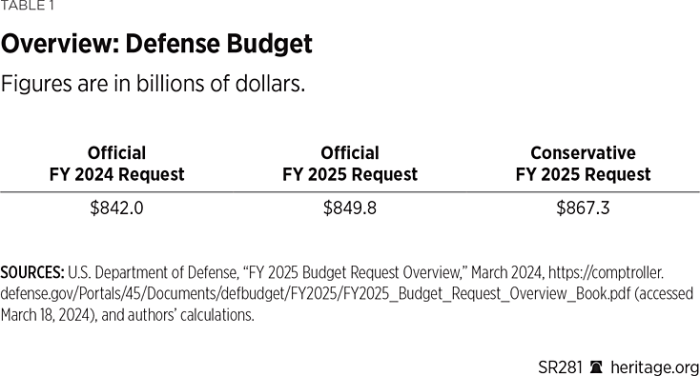
The proposed defense budget for 2025 reflects a commitment to enhancing national security while addressing emerging global threats. Totaling approximately $842 billion, this budget marks a significant allocation towards modernizing military capabilities and supporting personnel. The focus is not only on immediate tactical needs but also on long-term strategic objectives.Key allocations within the 2025 defense budget include funding for advanced technology, military personnel salaries, and procurement of new equipment.
These allocations are designed to bolster the effectiveness of the armed forces and ensure readiness in the face of evolving challenges.
Major Allocations in the Defense Budget
An analysis of the 2025 defense budget reveals several critical areas of investment. The following allocations drive the overall strategy for military preparedness and operational capability:
- Advanced Technology Initiatives: A significant portion, approximately $150 billion, is earmarked for research and development of next-generation technologies, including artificial intelligence, cyber defense, and unmanned systems. These advancements are crucial for maintaining a competitive edge against adversaries.
- Military Personnel: The budget allocates around $230 billion for military personnel, covering salaries, healthcare, and benefits. This investment aims to attract and retain a skilled workforce, ensuring that the armed forces are staffed with qualified individuals who can respond effectively to national security demands.
- Equipment Procurement: Roughly $200 billion is dedicated to the procurement of new military equipment, including aircraft, naval vessels, and ground vehicles. This funding is essential for updating aging systems and incorporating state-of-the-art technology into military operations.
- Infrastructure Improvements: Approximately $50 billion is set aside for upgrading military bases and facilities. This investment supports the operational readiness and quality of life for service members and their families.
- Cybersecurity Enhancements: With the growing threat of cyber warfare, $30 billion will be allocated to improving cybersecurity measures across all military branches. This funding will help protect sensitive data and infrastructure from potential attacks.
Historical trends in defense spending show a gradual increase over the past decade. In 2015, the defense budget was approximately $600 billion, indicating a steady growth rate aligned with rising global tensions and the need for military modernization. The trend underscores the government’s recognition of the importance of adapting military strategies to counter new and emerging threats effectively.The 2025 budget reflects a comprehensive approach to ensuring that the U.S.
military remains prepared and capable of meeting future challenges while maintaining a focus on both personnel welfare and technological superiority.
Impacts on Military Readiness
The 2025 defense budget plays a crucial role in shaping military readiness and operational capabilities. With fluctuating funding levels and strategic priorities, understanding how the budget directly influences the effectiveness of military operations is essential for evaluating the nation’s defense posture.The allocation of resources in the 2025 defense budget significantly impacts areas critical to maintaining military readiness, including troop training, equipment maintenance, and overall operational capabilities.
As budgetary changes unfold, they dictate how well troops are prepared for current and future missions, as well as the state of the equipment they rely on. Investments made in training programs and maintenance schedules directly correlate with the operational effectiveness of military forces.
Effects on Troop Training and Equipment Maintenance
Proper training and well-maintained equipment are fundamental to sustaining military readiness. The 2025 defense budget includes provisions aimed at enhancing training programs that ensure troops are not only skilled but also adaptable to various combat scenarios. The implications of budgetary changes on these areas can be summarized as follows:
- Training Programs: Increased funding allows for advanced training simulations and exercises, which are vital for honing skills and improving readiness. For example, the budget supports the integration of virtual reality and augmented reality technologies to facilitate more immersive training experiences.
- Equipment Maintenance: A substantial portion of the budget is allocated for maintenance and upgrades of existing military equipment. This ensures that vehicles, aircraft, and naval vessels remain operational and effective. In 2025, the focus on maintaining readiness through regular inspections and timely repairs is essential to prevent operational downtimes.
- Force Readiness Metrics: The effectiveness of training and maintenance can be evaluated using qualitative and quantitative metrics. These metrics help assess personnel readiness levels and equipment availability rates, ultimately influencing deployment decisions.
Comparing the military readiness in 2025 with previous years reveals the implications of budget allocations. Historical data indicates that periods of increased funding correlate with higher readiness ratings. For instance, between 2021 and 2023, budgetary constraints led to a decline in training hours and equipment readiness, resulting in lower operational capability ratings across branches of the military. In contrast, the proposed increases in the 2025 budget are expected to reverse these trends, fostering a more robust and prepared military force capable of addressing contemporary security challenges.
“Effective military readiness hinges on adequate funding for training and maintenance, making the 2025 defense budget pivotal in fortifying our national security posture.”
Political and Legal Considerations
The 2025 defense budget is significantly influenced by a variety of political dynamics and legal frameworks. As the nation grapples with ongoing security challenges and shifting global alliances, the interplay between political agendas and legal stipulations becomes increasingly critical. Key stakeholders, including government officials, military leaders, and lobbying groups, play vital roles in shaping the budgetary landscape, while legal challenges could arise, affecting the allocation and use of defense funds.
Political Influences on the Defense Budget
Various political influences are at the forefront of the defense budget discussion for 2025. Political parties, advocacy groups, and influential lawmakers continuously negotiate and advocate for their interests, which directly impacts funding priorities. An essential aspect of this political landscape includes the defense industry’s lobbying efforts, which can sway decision-makers. Key stakeholders in this process include:
- Congressional Committees: The House and Senate Armed Services Committees play pivotal roles in reviewing and approving defense budgets.
- Defense Contractors: Major defense firms actively lobby for increased spending on specific programs, highlighting their economic contributions and technological advancements.
- Military Leadership: Commanders and generals often present their budgetary needs based on strategic assessments and readiness requirements.
- Public Opinion: Voter sentiment can significantly influence political stances, particularly regarding military engagement and spending.
Legal Challenges and Issues
The legal framework surrounding defense appropriations is complex, with various laws governing how funds can be allocated and spent. Potential legal challenges may arise, particularly regarding the interpretation of these laws and compliance with fiscal regulations. Some of the prominent legal considerations include:
- Anti-Deficiency Act: This act prohibits federal agencies from spending more than what has been appropriated, which could lead to significant penalties for non-compliance.
- Budget Control Act: This legislation imposes caps on defense spending, and exceeding these limits could trigger automatic cuts, impacting military readiness.
- Litigation from Contractors: Defense contractors may challenge budgetary decisions that affect their contracts, leading to potential delays and legal disputes.
Impact of International Relations
International relations significantly influence defense budget decisions as geopolitical tensions and alliances evolve. The budget must reflect the current international landscape, including potential threats and emerging partnerships. Factors that impact budgetary considerations in relation to international relations include:
- Geopolitical Tensions: Rising tensions with nations like China and Russia necessitate increased spending in certain military capabilities, such as cybersecurity and advanced weaponry.
- Alliances and Partnerships: Commitments to NATO and other alliances influence budget allocations for joint exercises, equipment sharing, and cooperative defense initiatives.
- Global Threat Assessments: Shifts in global threats, such as terrorism or cyber warfare, require adaptable funding strategies to address emerging risks effectively.
Last Recap
In conclusion, the defense budget analysis for 2025 reveals not just numbers, but the very essence of national strategy and readiness. As we have seen, the allocations reflect a balance between immediate needs and long-term goals, and the evolving political landscape will undoubtedly continue to influence these decisions. Staying informed on these developments is key to understanding how they will shape our defense posture in an increasingly complex global environment.
Frequently Asked Questions
What is the primary goal of the 2025 defense budget?
The primary goal is to ensure military readiness while addressing evolving threats and maintaining national security.
How can changes in the budget impact troop training?
Changes in the budget can affect the resources allocated for training programs, potentially impacting the effectiveness and preparedness of troops.
Who are the key stakeholders in determining the defense budget?
Key stakeholders include government officials, military leaders, defense contractors, and foreign policy advisors.
How does international relations influence the defense budget?
International relations shape funding priorities, as geopolitical tensions can lead to increased military spending or shifts in allocation based on perceived threats.
What historical trends are relevant to the 2025 defense budget?
Historical trends include shifts in defense spending related to past conflicts, economic conditions, and political changes that have shaped military funding over the years.


