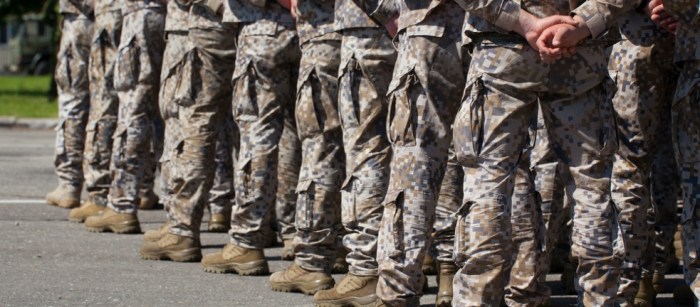
Welcome to an exploration of Military strategy and policy, a crucial aspect of how nations navigate the complexities of global security. This topic not only encompasses the enduring principles of military strategy but also examines their evolution through history, reflecting on how technological advancements reshape the battlefield.
From the ancient tactics of warlords to the sophisticated strategies employed by contemporary military leaders, understanding this evolution is vital. Military policy, deeply intertwined with strategic planning, influences international relations and the mechanics of diplomacy, making it an indispensable area of study.
Military Strategy Fundamentals
Military strategy encompasses the planning and execution of operations to achieve national objectives through the use of armed forces. This field has evolved significantly over time, adapting to changes in technology, political landscapes, and the nature of warfare itself. Understanding the fundamentals of military strategy is crucial for military leaders and policymakers, as it directly influences operational effectiveness and the overall success of military campaigns.The foundations of military strategy lie in key principles that guide decision-making and action in warfare.
These principles include unity of command, offensive and defensive operations, economy of force, and the importance of morale. Each of these plays a critical role in shaping contemporary military operations, ensuring that forces are deployed effectively and that resources are utilized in the most efficient manner possible.
Key Principles of Military Strategy
Exploring the core principles of military strategy reveals how they translate into modern warfare tactics. These principles are vital for maintaining cohesion and effectiveness in military operations:
- Unity of Command: This principle emphasizes the necessity of a single commander overseeing military operations, which facilitates clear communication and decision-making.
- Offensive and Defensive Operations: Organizations must understand when to take the initiative through offensive operations and when to hold or defend their position effectively.
- Economy of Force: Allocating resources efficiently ensures that military assets are not overextended and can be concentrated where they are most needed.
- Morale: The psychological state of troops greatly influences their performance, underscoring the importance of maintaining high morale for operational success.
Historical Evolution of Military Strategy
The evolution of military strategy reflects changes in societal values, technological advancements, and the nature of conflicts. From the tactics of ancient generals like Sun Tzu and Alexander the Great to the strategies employed during the World Wars and the modern asymmetric warfare seen today, each era has brought unique challenges and methodologies.Ancient military strategies focused largely on direct confrontation, maneuver warfare, and the effective use of terrain.
The Middle Ages introduced feudal structures and the use of cavalry, which changed battlefield dynamics. The Industrial Revolution brought about significant advancements in weaponry and logistics, leading to the large-scale, organized military campaigns characteristic of the 19th and 20th centuries.
Impact of Technology on Military Strategy
Technological advancements have profoundly shaped military strategy, altering how wars are fought and strategies developed. The introduction of new technologies has consistently redefined operational effectiveness and strategic planning.Military technology can be categorized into several key areas that have impacted strategic thinking:
- Precision Weaponry: The development of smart bombs and guided missiles has allowed for precise strikes, reducing collateral damage and increasing operational efficiency.
- Cyber Warfare: The rise of information technology has introduced cyber operations as a domain of warfare, requiring strategies that encompass both physical and digital arenas.
- Drones and Unmanned Systems: These technologies enable surveillance and strike capabilities without putting personnel at risk, allowing for innovative strategies in conflict zones.
- Information Warfare: The manipulation of information and media has become a crucial component of modern military strategy, affecting public perception and international relations.
Technological integration continues to evolve, shaping how military leaders conceive of strategy and adapt to emerging threats in the global landscape.
Policy Development in Military Context

In a rapidly changing global landscape, the formulation of military policies is essential for ensuring national security and responding effectively to various threats. Military policy development involves a strategic approach that takes into account both internal and external factors that can influence defense capabilities and international relations. Understanding these elements is critical for governments as they navigate the complexities of modern warfare and diplomacy.The development of effective military policies requires a structured framework that integrates various components, including risk assessment, resource allocation, and inter-agency collaboration.
This framework should allow governments to identify potential global threats and respond with strategies that are both proactive and reactive.
Framework for Developing Military Policies
A robust framework for military policy development typically encompasses several key stages, ensuring that responses to threats are efficient and effective. The following elements are crucial in crafting this framework:
- Threat Assessment: Regularly conducted analyses to identify emerging global threats, including terrorism, cyber warfare, and geopolitical tensions. This involves gathering intelligence and assessing the potential impact on national security.
- Resource Allocation: Determining budgetary needs and distributing resources effectively across military branches and units to optimize readiness and operational capacity. This includes investment in technology, training, and personnel.
- Inter-agency Collaboration: Fostering cooperation among various governmental agencies, including intelligence, defense, and foreign policy sectors, to create cohesive strategies that address threats comprehensively.
- Stakeholder Engagement: Involving key stakeholders, such as military leaders, policymakers, and community representatives, to ensure that policies reflect a broad spectrum of perspectives and are supported by the public.
- Evaluation and Adaptation: Establishing mechanisms to regularly review and adjust policies based on effectiveness and changing circumstances, ensuring that military strategies remain relevant and impactful.
Factors Influencing Military Policy Decisions
Numerous factors influence military policy decisions across different governments. Understanding these factors is crucial for developing policies that are not only effective but also contextually relevant.
- Political Environment: The political climate within a country, including party ideologies and leadership styles, can significantly affect military policy. For instance, a government prioritizing diplomacy may focus on soft power tactics, while a more aggressive regime might advocate for increased military spending.
- International Relations: Relationships with other nations, alliances, and global organizations can dictate military strategies. For example, NATO member countries align their defense policies to ensure collective security against shared threats.
- Economic Factors: The economic capabilities of a nation directly impact defense budgets and military readiness. Economic downturns may lead to cuts in military spending, whereas a booming economy might allow for expansion and modernization.
- Technological Advancements: Rapid developments in technology can reshape military capabilities and strategies. Governments must adapt their policies to leverage new technologies, such as drones and cyber warfare capabilities.
- Public Opinion: Citizens’ attitudes towards military engagement and defense expenditures can influence policymakers. Public support or dissent can significantly affect the implementation of military policies.
Military Policy and International Relations
Military policy plays a pivotal role in shaping international relations and diplomacy. The interactions between states are often dictated by their defense strategies and military postures, influencing both bilateral and multilateral relationships.Military policy can act as a tool for diplomacy, where a strong defense posture may serve as a deterrent against potential aggression from adversaries. Conversely, a country may use military policy to foster alliances, as seen in joint military exercises or defense treaties that enhance cooperation among nations.
“The alignment of military policy with diplomatic goals can create a more stable international environment and reduce the likelihood of conflicts.”
Moreover, military policies can lead to arms control agreements and disarmament initiatives, promoting trust and reducing tensions between nations. For example, treaties such as the Strategic Arms Reduction Treaty (START) have aimed to limit nuclear arsenals and enhance global security.Ultimately, the interplay between military policy and international relations is complex, requiring continuous assessment and adaptation to ensure that countries can navigate the intricate web of global diplomacy effectively.
Intersections with Law and Governance
Military strategy and policy are deeply intertwined with legal frameworks and governance structures. The relationship between military actions and international law, particularly human rights conventions, shapes the operational conduct of armed forces globally. Understanding this intersection is crucial, as it not only influences military effectiveness but also global perceptions of legitimacy and accountability.
International Law and Human Rights Issues
Military operations must conform to international legal standards, including humanitarian law and human rights treaties. These laws dictate the permissible conduct in warfare and the treatment of civilians and combatants. For instance, the Geneva Conventions establish guidelines aimed at protecting non-combatants and regulating the treatment of prisoners of war. Violations can lead to war crimes prosecution, impacting national military strategies.The role of international law is paramount in shaping military engagement.
Countries like the United States and members of the European Union often incorporate human rights considerations into their military strategies, which may lead to more restrained uses of force. In contrast, nations with more authoritarian governance structures may prioritize military objectives over legal constraints, often resulting in significant human rights violations during conflicts.
Military Strategies Compared Through Political Systems
The political system of a country profoundly influences its military strategy. Democratic states tend to exercise military force with greater public scrutiny and legal accountability, often leading to strategies that emphasize coalition-building and multilateralism. Conversely, authoritarian regimes may pursue aggressive military strategies with less consideration for international norms, leveraging state power to suppress dissent both domestically and abroad.For example, the military strategy of Russia under Vladimir Putin has been characterized by a reliance on rapid, decisive action, often disregarding international law.
In contrast, the military policies of Canada reflect a commitment to peacekeeping and cooperative defense initiatives, grounded in a broader respect for international norms and human rights.
Public Opinion and Military Policy Decisions
Public opinion significantly influences military policy decisions and strategies. In democratic societies, military engagements are often subject to public approval, which can shape government decisions regarding military interventions or defense spending. The Vietnam War is a historical example where shifting public sentiment led to significant changes in U.S. military policy.In contrast, regimes with less accountability to the public may undertake military actions without widespread support, as seen in various military interventions by authoritarian states.
Public perception can also be shaped by media coverage, which plays a critical role in framing military actions and their justifications. The interplay between public opinion and military strategy illustrates how governance structures can dictate the means and ends of military action, often leading to divergent outcomes in similar scenarios.
End of Discussion
In summary, the interplay of military strategy and policy shapes not only national defense but also global dynamics. As technology continues to advance and new threats emerge, the necessity for effective military policies becomes even more pronounced, guiding nations in their pursuit of peace and security.
Answers to Common Questions
What is military strategy?
Military strategy is the planning and execution of coordinated military actions to achieve specific objectives in warfare.
How does technology influence military strategy?
Technology enhances military capabilities, allowing for more effective communication, precision strikes, and advanced reconnaissance.
What role does public opinion play in military policy?
Public opinion can significantly influence military policy decisions, as governments often consider the views of citizens when formulating strategies.
How do countries’ political systems affect military strategy?
Different political systems prioritize various aspects of military strategy, shaping how nations approach defense and international engagements.
What is the relationship between military policy and international law?
Military policy must align with international law and human rights standards, guiding nations in their conduct of military operations.


